
Predictive
Procurement.
Increase inventory turnover by 30%, eliminate stock-outs, and save 10+ hours per week with AI-powered demand forecasting across 10,000+ SKUs.
Challenge: The SKU Complexity Trap
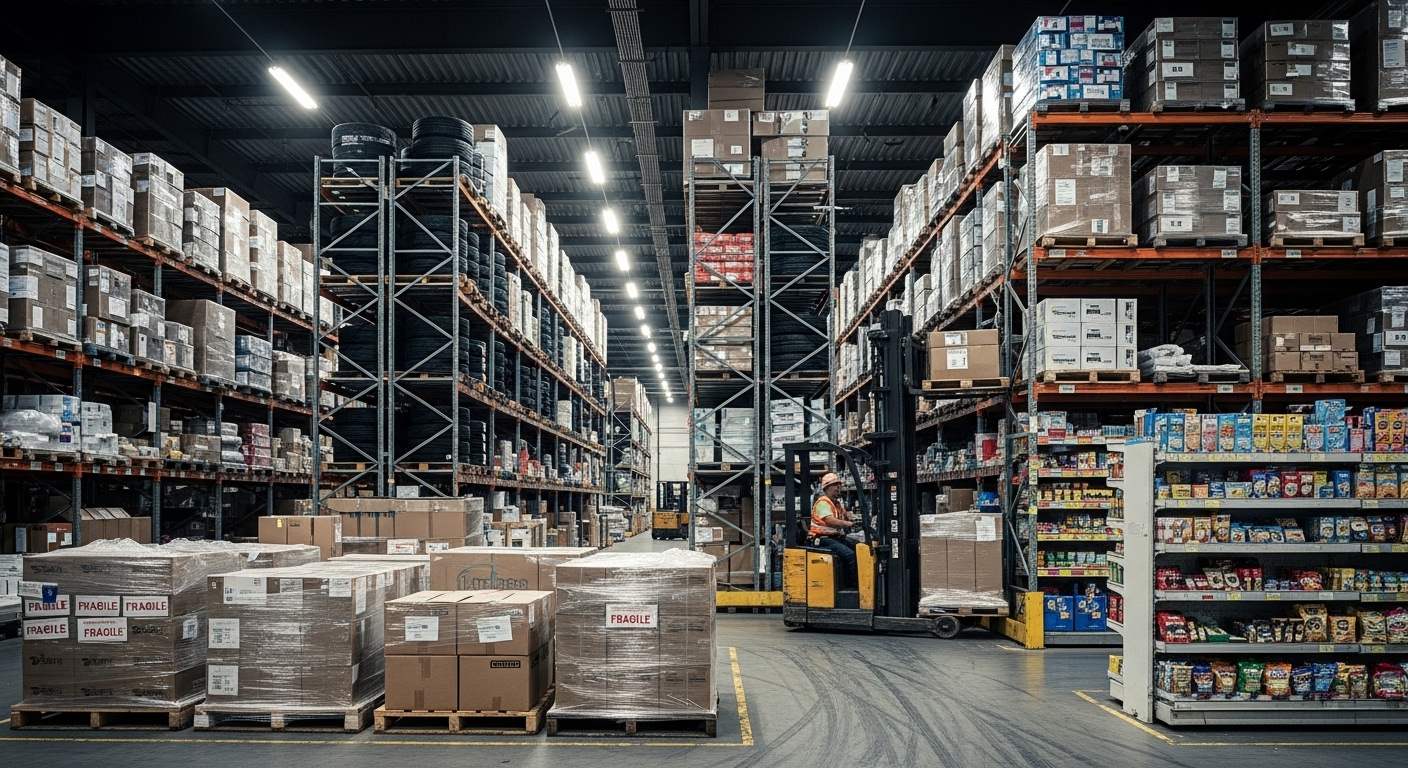
Managing over 10,000 SKUs across multiple locations is mathematically impossible to do well manually. Our client, a regional retail chain, faced the classic inventory paradox: simultaneous stock-outs of high-demand products alongside dead inventory of slow-moving items that tied up capital and shelf space.
Procurement buyers were spending 10+ hours per week manually reviewing sales reports, calling suppliers, and making order decisions based on gut feeling and basic spreadsheet formulas. Seasonal demand spikes were consistently under-predicted, leading to lost sales. Meanwhile, overstock on the wrong products meant markdowns, waste, and cash flow pressure.
The goal was clear: replace manual ordering decisions with an autonomous AI agent that could predict demand 30 days in advance at the individual SKU level, dynamically adjust safety stock, and automatically generate purchase orders — without human intervention for routine replenishment.
Solution: Autonomous Inventory Agent
Ishiros built and deployed an Autonomous Inventory Agent — a deep learning system that processes sales history, external signals (weather, local events, competitor activity), and supplier lead times to maintain optimal stock levels across all locations automatically.
1. Multivariate Demand Prediction
Using Transformer-based time-series models, the agent analyzes 30+ variables for each SKU — historical sales patterns, seasonality, price elasticity, promotions, weather correlations, and more. It generates accurate 30-day demand forecasts at the individual product and location level, updated daily.
2. Dynamic Safety Stock Logic
Instead of fixed safety stock levels set once and forgotten, the system calculates per-SKU dynamic safety stock based on demand volatility, supplier reliability, and service level targets. High-velocity items get more buffer; slow movers get less. Capital is allocated where it creates value.
3. Automated Supplier Communication
When the agent determines a reorder is needed, it automatically generates purchase orders using EOQ (Economic Order Quantity) models, sends them to approved suppliers via email or EDI, and tracks confirmations. Buyers review exceptions only — the 95% of routine orders run autonomously.
Technical Foundation: Real-time Data Stack
The Inventory Agent is powered by TensorFlow time-series models (Transformer architecture) trained on 3 years of sales history. A real-time data pipeline connects point-of-sale systems, warehouse management, and supplier portals, ensuring the agent always works with current inventory levels.
The system integrates directly with the client's existing ERP, writing approved purchase orders back automatically. Pandas-based data processing handles SKU segmentation, ABC analysis, and exception reporting — giving buyers a clean dashboard of only the decisions that genuinely require human judgment.
"Procurement for decades was a combination of math and intuition. AI added a third element — precision. We no longer argue about whether to order 500 or 600 units. The agent tells us exactly 547, and it's right."
Next Steps
Data Ingestion & SKU Analysis
We connect to your POS and ERP systems and run ABC analysis across your full SKU catalog.
Model Training & Parallel Run
We train demand models on your historical data and run the agent in shadow mode alongside existing ordering — before going fully autonomous.